


How Wedding Bands Evolved Into Symbols of Enduring Love
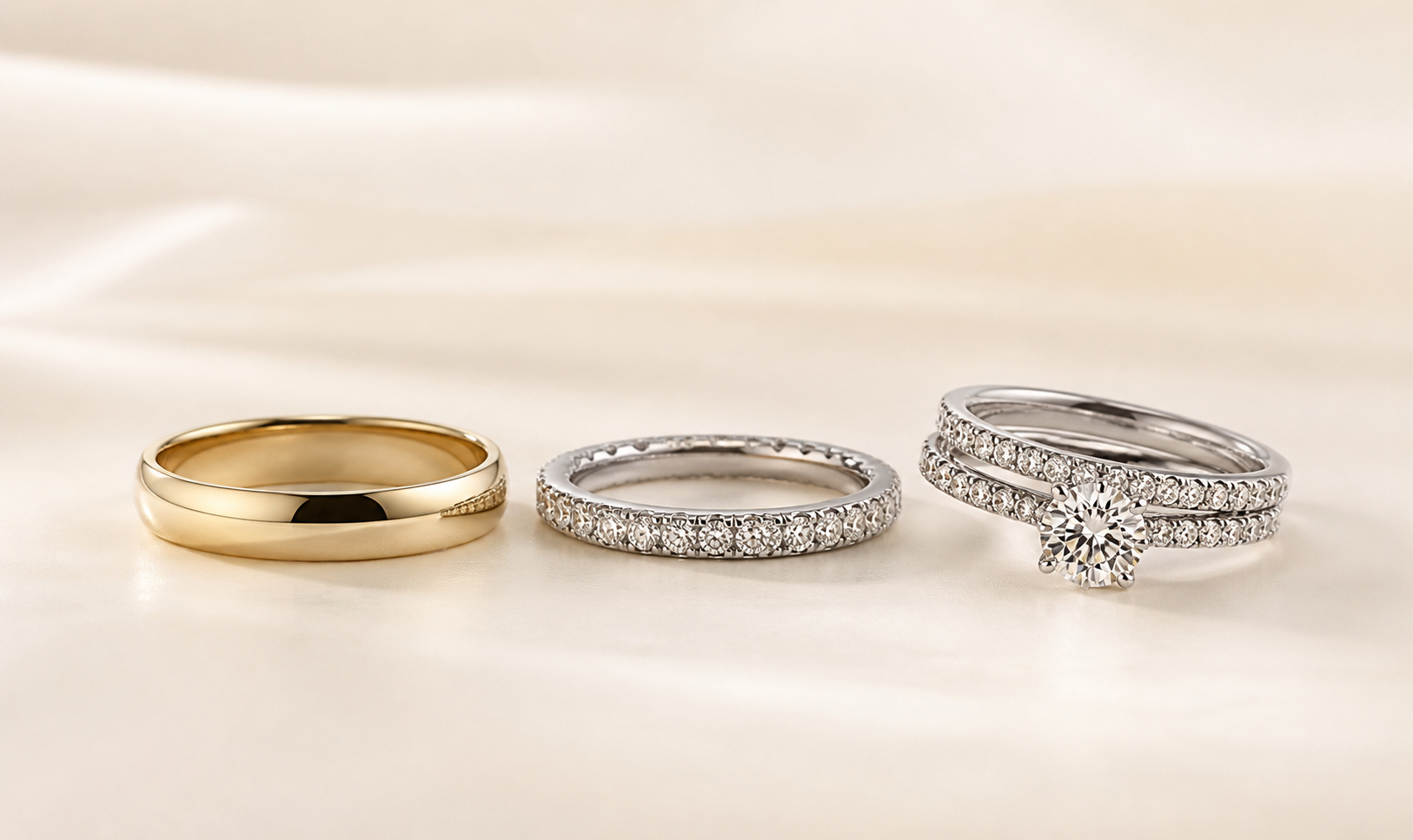
Wedding bands have long been a symbol of love, commitment, and the unbreakable bond between partners. But how did something as simple as a ring become such a meaningful emblem of union? The history behind wedding bands is fascinating, and understanding its evolution provides insight into how love and tradition intersect.
The Origins of Wedding Bands
The tradition of exchanging wedding bands dates back thousands of years. The earliest known references to wedding bands come from ancient Egypt, where couples would exchange rings made from braided reeds or hemp. These rings symbolized eternal love, with the circular shape representing the never-ending cycle of life. Egyptians believed the "vein of love" ran directly from the fourth finger of the left hand to the heart, which is why this finger became the designated spot for the wedding band.
Though the materials and customs have evolved over the centuries, the enduring symbolism of the wedding band has remained the same: a symbol of an eternal and unbreakable bond between partners.
The Roman Influence: Gold and Metal Bands
As cultures evolved, so did the tradition of wedding rings. By the time of the Roman Empire, wedding rings were made of more durable materials such as iron and bronze. Eventually, gold became the preferred metal for wedding bands, which signified wealth and status.
The Romans also introduced the concept of the "wedding ring" as we know it today. Learn More About Wedding Bands. This was a band that was worn on the left hand, as Romans believed the left ring finger contained a vein that led directly to the heart. This romantic idea persisted and became a lasting tradition across many cultures.
Gold wedding bands, unlike their predecessors made of reeds or metals like iron, symbolized both permanence and wealth. The precious metal represented the strength of the marriage bond, and couples began to exchange these rings as formal acts of commitment.
The Middle Ages: The Rise of Christian Wedding Traditions
By the Middle Ages, Christianity had solidified its influence across Europe, and wedding ceremonies took on a more formal structure. The exchange of wedding rings became an integral part of the Christian wedding ceremony. Early Christian wedding rings were often engraved with religious symbols, further emphasizing the spiritual connection between partners. The use of gemstones, like diamonds, also gained popularity during this time as a sign of purity.
Wedding bands in this era were simple, often plain gold or silver, but they were meant to serve as constant reminders of the vows taken before God. As Christianity continued to spread, wedding bands became more common in the west, eventually becoming a universal part of marriage ceremonies.
The Renaissance and Beyond: A New Era of Ring Design
During the Renaissance, wedding bands started to feature intricate designs and gemstones. The tradition of using diamonds, which had been reserved for royalty, gradually became accessible to the general population. The growing middle class began to embrace the idea of jewelry as a symbol of love, and wedding bands became a statement of both affection and status.
The evolution of wedding bands also reflected broader cultural changes during this time. As society moved away from rigid medieval structures, the wedding ring became a more personal expression of love, often customized to reflect the individual style and values of the couple.
During this period, we also saw the advent of "posy rings"—rings inscribed with romantic or poetic verses. These rings were deeply personal, symbolizing the heartfelt emotions of the person giving them. The concept of wearing a wedding band became not only a social custom but a deeply emotional one, and rings became a cherished expression of love and devotion.
The Modern Era: Personalization and Innovation
In the 20th and 21st centuries, wedding bands saw further innovations, particularly in terms of design and materials. With advances in technology, wedding bands could now be crafted from a wide variety of metals, including platinum, titanium, and even modern alloys that could stand the test of time.
Diamonds and other precious gemstones became more widely available, and couples began to choose stones based on personal significance. Lab-grown diamonds, for example, offer a sustainable and ethical alternative to mined diamonds, allowing couples to express their commitment while also caring for the planet.
Personalization became a key trend in modern wedding bands. Couples today are increasingly looking for custom designs, incorporating elements that reflect their unique journey together. From engraving initials or significant dates to selecting gemstones that hold personal meaning, today's wedding bands are as much about individuality as they are about tradition.
Wedding Bands as a Symbol of Everlasting Love
Throughout the centuries, wedding bands have evolved from simple tokens to complex, personalized symbols of love, commitment, and identity. Today, they remain a central part of wedding ceremonies and a powerful symbol of enduring love.
Whether you choose a classic gold band, a diamond-studded ring, or something completely custom, the wedding band still represents the same thing it did thousands of years ago: a bond that lasts forever. This timeless tradition continues to be celebrated worldwide as couples from all walks of life exchange wedding bands to seal their commitment to one another.
Final Note on Branding:
To further enhance the meaning behind your wedding band, consider choosing a brand like Antiquecut to help you create a piece that truly reflects your unique love story. Whether you're looking for a lab-grown diamond engagement ring or a custom wedding band design, Antiquecut offers high-quality pieces with personal touches that make each ring an individual expression of your commitment.

 English
 Arabic
 Spanish
 Portuguese
 Deutsch
 Turkish
 Dutch
Dutch
 Italiano
 Russian
 Romaian
 Portuguese (Brazil)
 Greek
Greek
