


How Asians Can Find High-Paying Jobs in Europe
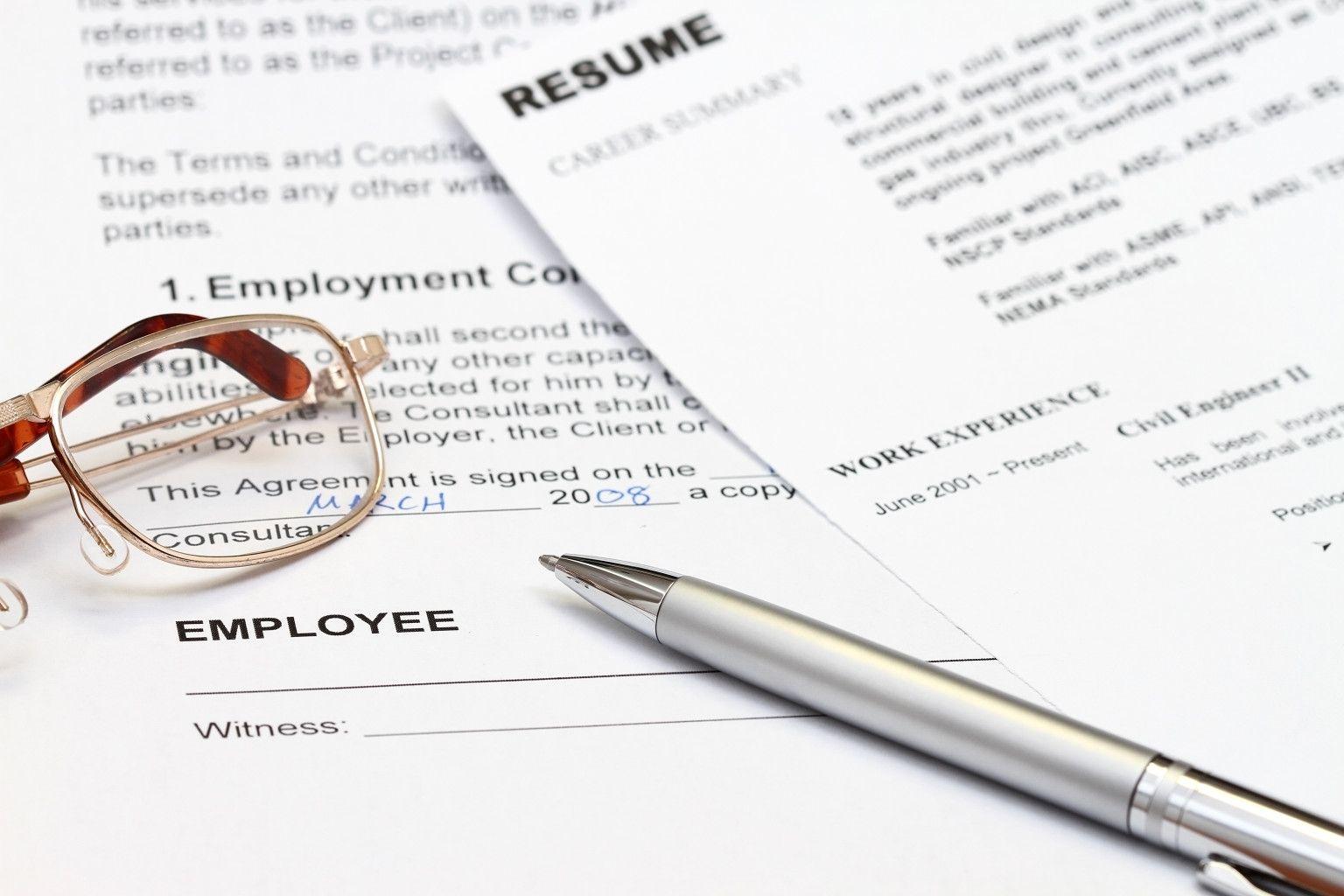
Research the European Job Market
Understanding the job market gives a strong advantage during the application process. Each country in Europe has different hiring needs and salary standards. Germany, Ireland, and the Netherlands regularly seek skilled professionals in engineering, IT, and healthcare. Reliable job portals, company websites, and labor reports provide useful insights. Salary expectations and qualification requirements should match the target role. Proper research prevents wasted applications and increases the chances of landing interviews in competitive industries.
Select the Right Country and Industry
Choosing the right destination plays a key role in long-term success. Countries differ in language requirements, work culture, and visa policies. Ireland and the Netherlands offer more English-based roles, while Germany and Sweden provide higher salaries in technical fields. Industries such as software development, finance, healthcare, and renewable energy offer better pay. Matching skills with market demand creates stronger opportunities. Careful comparison of living costs and salary packages helps professionals make practical decisions.
Create a Professional European CV
A well-structured CV increases the chances of getting noticed by employers. European resumes are usually short, clear, and focused on results. Including measurable achievements such as performance improvements or project outcomes adds value. The Europass format is widely accepted and helps maintain a clean layout. Tailoring the CV for each job application improves relevance. Avoiding unnecessary details keeps the document professional and easy to read for recruiters reviewing multiple candidates.
Develop In-Demand Skills
Strong technical and professional skills are essential for securing high-paying roles. Employers look for expertise in areas such as software engineering, data analysis, cybersecurity, and healthcare services. Certifications from recognized platforms improve credibility. Communication and teamwork skills also play a major role in hiring decisions. Continuous learning keeps professionals competitive in changing industries. Skill development aligned with European market demand increases job security and salary potential.
Follow Effective Job Search Steps
- Use trusted European job portals and company career pages
- Build a strong LinkedIn profile and stay active
- Apply with customized CVs and cover letters
- Connect with recruiters and industry professionals
- Join online communities related to your field
- Attend virtual hiring events and job fairs
Understand Visa and Work Permit Process
Work authorization is a critical part of working in Europe. Many countries offer structured visa programs for skilled professionals. The EU Blue Card is a popular option for high-paying roles. Required documents include job offers, educational certificates, and proof of experience. Employers often assist with sponsorship in skill shortage sectors. Following official guidelines ensures accuracy and avoids rejection. Proper documentation speeds up the process and supports a smooth transition to a new country.
Prepare for Job Interviews
Interview preparation improves confidence and performance during hiring discussions. Employers assess both technical skills and cultural fit. Clear communication and structured answers help candidates stand out. Researching the company and role shows seriousness and interest. Practicing common questions helps in delivering strong responses. Professional behavior, punctuality, and clarity create a positive impression. Familiarity with online interview tools is also important as many companies conduct remote hiring processes.
Build a Strong Professional Network
Networking plays a major role in accessing better job opportunities. Strong connections with professionals and recruiters increase visibility in the job market. Engaging on LinkedIn, joining industry groups, and participating in discussions helps build credibility. Referrals often lead to faster hiring decisions. Staying active in professional communities keeps candidates informed about new opportunities. Consistent networking efforts create long-term career benefits and open doors to high-paying roles.
Adapt to European Work Culture
Work culture across Europe values punctuality, transparency, and efficiency. Understanding these expectations helps professionals adjust quickly. Communication styles are often direct and focused on clarity. Respect for diversity and teamwork is highly important. Work-life balance is also a key feature in many countries. Learning basic local language skills improves integration and daily interactions. Cultural awareness helps build stronger relationships and supports long-term career growth in European workplaces.
Conclusion
A structured approach helps Asian professionals secure high-paying jobs in Europe. Clear research, skill development, and proper job search strategies improve success rates. Strong resumes, effective networking, and interview preparation create better opportunities. Understanding visa processes ensures a smoother relocation journey. Consistent effort and practical planning lead to long-term career growth. Europe continues to offer valuable opportunities for professionals willing to follow the right steps and stay focused on their goals.
FAQs
1. Which European country is best for Asians to find high-paying jobs?
Germany, Ireland, and the Netherlands offer strong opportunities due to skill shortages and competitive salaries in key industries.
2. Do Asians need a visa to work in Europe?
Most non-EU citizens require a work visa or EU Blue Card, depending on the country and job type.
3. Which jobs in Europe pay the highest salaries?
Jobs in IT, engineering, healthcare, finance, and data science often offer the highest salaries.
4. Is English enough to work in Europe?
English is sufficient in countries like Ireland and the Netherlands, though local language skills improve job prospects.
5. How long does it take to get a job in Europe?
The process can take a few weeks to several months depending on the role, country, and visa requirements.

 English
 Arabic
 French
 Spanish
 Portuguese
 Deutsch
 Turkish
 Dutch
Dutch
 Russian
 Romaian
 Portuguese (Brazil)
 Greek
Greek
