


Why Choose Copper Arrestors for Plumbing?
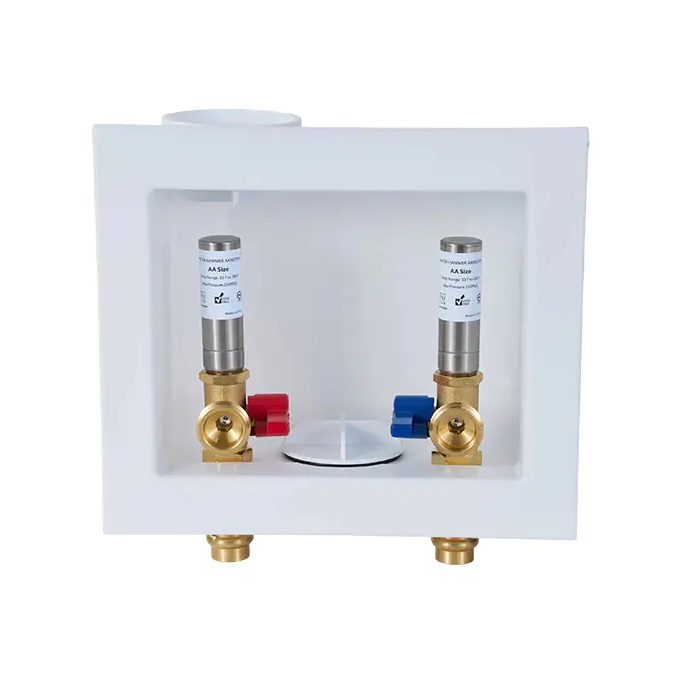
Plumbing systems today operate under higher flow rates and faster valve actions than older installations. Automatic control valves, pressure pumps, and electronic appliances can create strong hydraulic shock during operation. To reduce pipe vibration and sudden pressure spikes, installers often use a Copper Water Hammer Arrestor in residential lines and a Stainless Steel Water Hammer Arrestor in industrial or commercial environments requiring additional corrosion resistance.
Material selection influences not only durability but also installation compatibility and maintenance expectations. Copper and stainless steel arrestors both function by absorbing pressure surges through an internal piston and sealed air chamber, yet their performance characteristics differ depending on system conditions.
Copper body arrestors are commonly installed in domestic water supply systems because copper piping remains widely used in homes, apartments, and light commercial buildings. Copper offers good thermal conductivity and relatively easy soldering during installation. Seamless copper tube construction also supports compact designs suitable for wall cavities and confined spaces.
Typical copper arrestor parameters may include:
Body material: Type L seamless copper
Pressure rating: 150 PSI working pressure
Surge resistance: up to 400 PSI
Temperature range: 32°F to 212°F
Thread connection: brass MNPT
Fixture capacity: 1 to 32 fixture units depending on size
These specifications are commonly associated with piston-operated designs certified under plumbing industry standards.
Stainless steel arrestors are increasingly used in applications involving aggressive water chemistry, industrial processing, or outdoor environments. Stainless steel surfaces can provide improved resistance against oxidation, humidity exposure, and certain chemical conditions. This makes them suitable for food processing facilities, laboratories, pharmaceutical piping, and marine installations.
In systems with fluctuating temperature cycles, stainless steel housings may also provide improved dimensional stability. Some industrial facilities prefer stainless steel because it matches the material specification of existing stainless piping systems and simplifies compliance requirements.
Important selection factors include:
Pipe material compatibility
Operating temperature
Water quality
Installation environment
Pressure fluctuation frequency
Maintenance accessibility
Copper arrestors are often installed behind washing machines and dishwashers where compact dimensions are important. Stainless steel versions may be mounted near pumps, industrial valves, or process equipment where mechanical durability is prioritized.
Installation flexibility is another consideration. Many modern arrestors can operate vertically or horizontally without affecting performance. Factory-sealed air chambers eliminate the need for periodic draining associated with older-style air chambers.
Common signs of water hammer include:
Loud banging noises
Pipe vibration
Valve chatter
Sudden pipe movement
Repeated knocking sounds near appliances
Ignoring these symptoms may contribute to loosened fittings or fatigue stress over time. Discussions within plumbing communities frequently note that rapid-closing valves, especially on washing machines and ice makers, are common causes of water hammer events.
Correct arrestor placement is important for effective operation. The device should generally be installed close to the valve creating the shock wave. Longer distances between the valve and arrestor may reduce efficiency because the pressure surge can continue traveling through part of the piping system before being absorbed.
Whether copper or stainless steel is selected, the goal remains the same: stabilize pipeline pressure, reduce vibration, and improve plumbing reliability. Proper sizing and system analysis help ensure consistent performance across residential, commercial, and industrial applications.

 English
 Arabic
 Spanish
 Portuguese
 Deutsch
 Turkish
 Dutch
Dutch
 Italiano
 Russian
 Romaian
 Portuguese (Brazil)
 Greek
Greek
