


Can Cheap Hot Melt Survive Cold Storage Shipping?
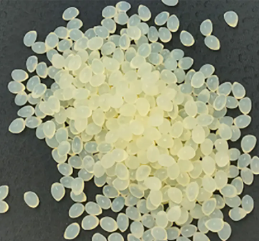
Packaging is the frontline of product protection. When a carton fails during transit, damage claims and customer dissatisfaction follow. High Quality Hot Melt Adhesive is engineered to withstand temperature extremes, vibration, and varying substrate porosity. Unlike commodity adhesives, premium grades deliver predictable fiber-tearing bonds in conditions ranging from freezer storage to desert transport.
Critical performance metrics for packaging hot melts:
Fiber tear percentage: Quality adhesives achieve ≥90% fiber tear on corrugated board at 0–40°C after 24h cure. Low-quality products often show adhesive failure (clean peel) at 5°C.
Heat resistance: Minimum 80°C for summer shipping containers. For roof tile packaging or asphalt shingles, heat resistance up to 110°C required.
Cold resistance: Flexible packaging adhesives maintain bond at -30°C without embrittlement. Elongation at break ≥300% at -20°C is a key indicator.
Viscosity stability during use: Quality packaging hot melts show viscosity drop <10% after 8h in a 180°C tank.
How quality affects packaging operations:
Less stringing and cobwebbing: Clean dispensing reduces maintenance. Stringing often occurs when melt index >250 g/10min or tackifier content too high.
Lower rejection rates: Carton closing rejects drop from 2% (poor adhesive) to 0.1% (high quality) in high-speed lines (300 cartons/min).
Reduced adhesive consumption: High quality formulations have higher bond strength per gram—apply 0.8–1.2 g per carton flap versus 1.5–2.0 g for low-grade adhesives.
Case-relevant application parameters:
Open time: 3–6 seconds for high-speed case erectors; 8–15 seconds for manual or slow lines.
Application temperature: 150–175°C for EVA-based; 130–150°C for metallocene polyolefins (lower energy cost).
Compression time: 0.5–1.5 seconds at 2–5 psi (depending on bondline thickness).
A high quality packaging hot melt adhesive pays for itself through fewer line stops, less product damage, and lower per-unit consumption. Ask your supplier for SAFT and low-temperature peel data—not just viscosity.

 English
 Arabic
 French
 Spanish
 Portuguese
 Turkish
 Dutch
 Italiano
 Russian
 Romaian
 Portuguese (Brazil)
 Greek
