


Understanding PVC Chair Structural Performance
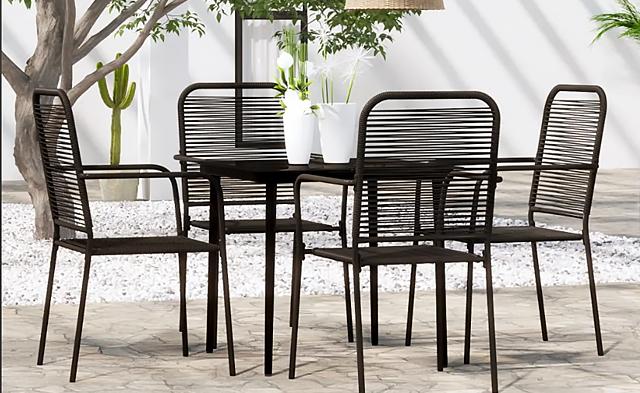
Durability is one of the first concerns buyers raise before purchasing plastic seating products. A PVC Chair may appear simple on the surface, but material formulation, molding technology, and structural engineering all influence long-term performance. Modern furniture manufacturers increasingly focus on these technical details to improve product reliability in residential and commercial applications.
Material composition plays a significant role in chair strength. Some seating products use standard PVC compounds, while others combine PVC with reinforced polymers or additives to improve impact resistance. UV stabilizers are frequently added to reduce fading and cracking caused by sunlight exposure. Industry discussions about outdoor furniture materials show that weather resistance is now considered a key purchasing factor.
Structural design is equally important. Injection-molded furniture with reinforced ribbing beneath the seat distributes weight more evenly and reduces stress concentration around joints. One-piece molded construction can also lower the risk of mechanical failure because there are fewer assembly points exposed to pressure during repeated use. Online furniture discussions often highlight that construction quality strongly affects product lifespan.
Manufacturers may test seating products under static and dynamic load conditions before mass production. Common technical reference values include:
Static load test: 150 kg
Cyclic seating test: 50,000 repetitions
UV aging resistance: 500–1000 hours
Surface hardness: HB scale rating
Moisture absorption rate: below 0.5%
These parameters help determine whether the chair is suitable for restaurants, schools, waiting rooms, or outdoor commercial areas.
Temperature variation also influences furniture performance. Low-grade plastics can become brittle in cold environments or soften under extreme heat. Higher-quality PVC materials are designed to maintain structural stability across wider temperature ranges. This becomes especially important in outdoor cafés, poolside spaces, and coastal environments where furniture faces constant weather exposure.
Another growing trend involves ergonomic improvements. Modern seating design now considers body posture, lumbar support, and seat curvature. Research related to furniture ergonomics suggests that well-designed seating dimensions can improve comfort and reduce long-term fatigue.
Visual appearance has also changed significantly. Older plastic chairs were often associated with simple utility furniture, while current market trends favor minimalist lines, matte finishes, and textured surfaces that resemble more premium materials. Contemporary PVC furniture is now frequently used in cafés, exhibition halls, and collaborative office spaces.
Maintenance remains straightforward. Mild detergent cleaning, seasonal storage, and limited direct heat exposure can extend service life. Furniture kept in shaded or partially covered areas generally maintains color and structural performance for longer periods.
As furniture applications continue expanding across residential and commercial sectors, buyers increasingly prioritize products that combine lightweight construction, practical durability, and simplified maintenance. PVC seating continues to attract attention because it offers a balance between functionality, appearance, and operational efficiency.

 English
 Arabic
 French
 Spanish
 Portuguese
 Deutsch
 Turkish
 Dutch
Dutch
 Italiano
 Russian
 Romaian
 Portuguese (Brazil)
