


Understanding Pressure Control in Plumbing Hydraulic Applications
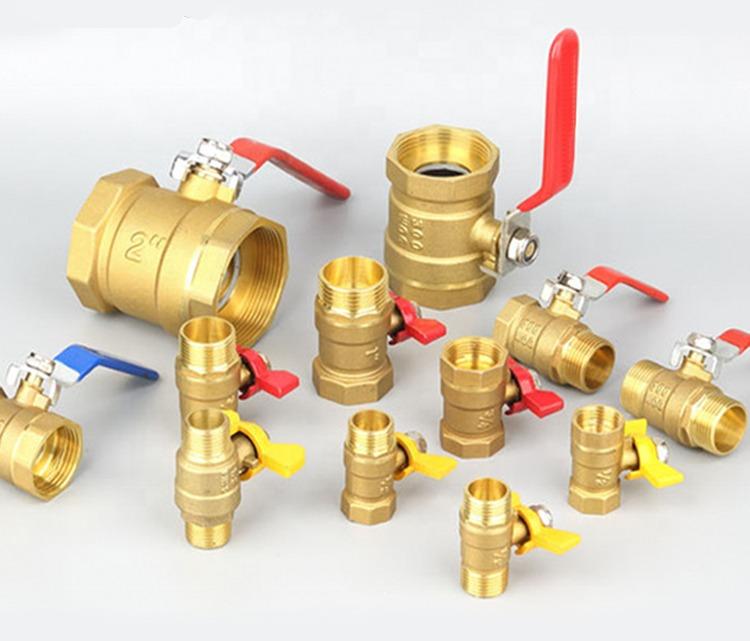
Effective fluid regulation in plumbing systems depends on how well Plumbing Hydraulic Valves manage both pressure and flow rate. These two parameters determine system stability, energy efficiency, and equipment lifespan.
Hydraulic valves are commonly divided into three categories: pressure control, flow control, and directional control valves. Pressure control valves ensure system safety by limiting maximum pressure using relief or sequence mechanisms. Flow control valves regulate actuator speed by adjusting fluid passage size or compensating for pressure variation.
In industrial plumbing systems, operating pressures can exceed 3000 psi (approximately 20 MPa), which makes pressure stabilization a critical design requirement. Relief valves are often installed as safety components to prevent system overload, while pressure-reducing valves maintain consistent downstream pressure for sensitive equipment.
Flow regulation is equally important. Needle valves and pressure-compensated flow control valves allow precise adjustment of fluid velocity. These designs help minimize hydraulic shock, reduce noise, and improve motion smoothness in actuators such as cylinders and motors.
A Plumbing Hydraulic Valves Manufacturer typically integrates advanced flow path optimization inside valve bodies to reduce turbulence. Computational fluid analysis is frequently used during development to ensure minimal energy loss across internal channels.
Temperature variation is another important factor affecting hydraulic performance. As fluid viscosity changes with temperature, valve response characteristics may shift. High-quality valves compensate for these variations through adaptive spring calibration and precision machining.
In modern plumbing hydraulic systems, proportional valves are increasingly used for real-time control. These valves adjust flow and pressure dynamically based on electronic signals, enabling automation and integration with smart industrial systems.
Overall, pressure and flow control technologies define the reliability of plumbing hydraulic networks. Proper valve selection ensures long-term operational stability and energy-efficient performance across a wide range of applications.

 English
 Arabic
 French
 Spanish
 Portuguese
 Deutsch
 Turkish
 Italiano
 Russian
 Romaian
 Portuguese (Brazil)
 Greek
Greek
