


Engineering Material Choices for Molded Plastic Products
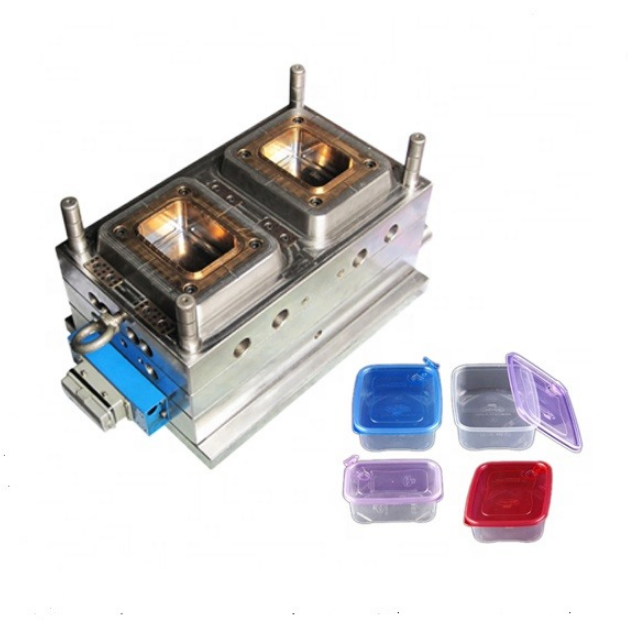
Material selection plays a critical role in the success of injection molding production. The Plastic Injection Mold process depends not only on mold structure but also on the type of polymer being processed.
Thermoplastics are the most widely used materials in injection molding. Common examples include ABS, polypropylene (PP), polycarbonate (PC), and nylon (PA). Each material has unique thermal and mechanical characteristics that affect mold design and processing conditions.
For example, polypropylene typically has a shrinkage rate between 1.5%–3%, while ABS has a lower shrinkage range of approximately 0.4%–0.7%. This difference significantly affects cavity compensation design inside the mold.
Material drying requirements also vary. Hygroscopic materials like nylon and PET must be pre-dried to moisture levels below 0.02% to avoid hydrolysis during melting. If moisture is not removed, surface defects such as bubbles or silver streaks may occur.
Processing temperature is another important parameter. Polycarbonate often requires barrel temperatures between 260°C and 320°C, while polypropylene processes at a lower range of 180°C–240°C. Mold temperature control must be adjusted accordingly to ensure proper crystallization or cooling behavior.
A professional Plastic Injection Mold Manufacturer evaluates material selection early in the design phase to ensure compatibility between resin properties and mold structure. This includes adjusting gate size, runner system, and cooling efficiency based on viscosity and flow characteristics.
Glass fiber reinforced materials are increasingly used in industrial applications due to improved strength and heat resistance. However, they cause increased mold wear, requiring hardened steel such as H13 or S136 for cavity construction.
Proper material-mold matching ensures consistent dimensional accuracy and extends mold lifespan. In high-volume production, this directly impacts cost efficiency and product reliability.
Ultimately, understanding polymer behavior is essential for achieving stable injection molding performance and high-quality finished products.

 English
 Arabic
 French
 Spanish
 Portuguese
 Deutsch
 Turkish
 Dutch
Dutch
 Italiano
 Russian
 Romaian
 Greek
Greek
