


Improving Product Accuracy Through Injection Mold Optimization
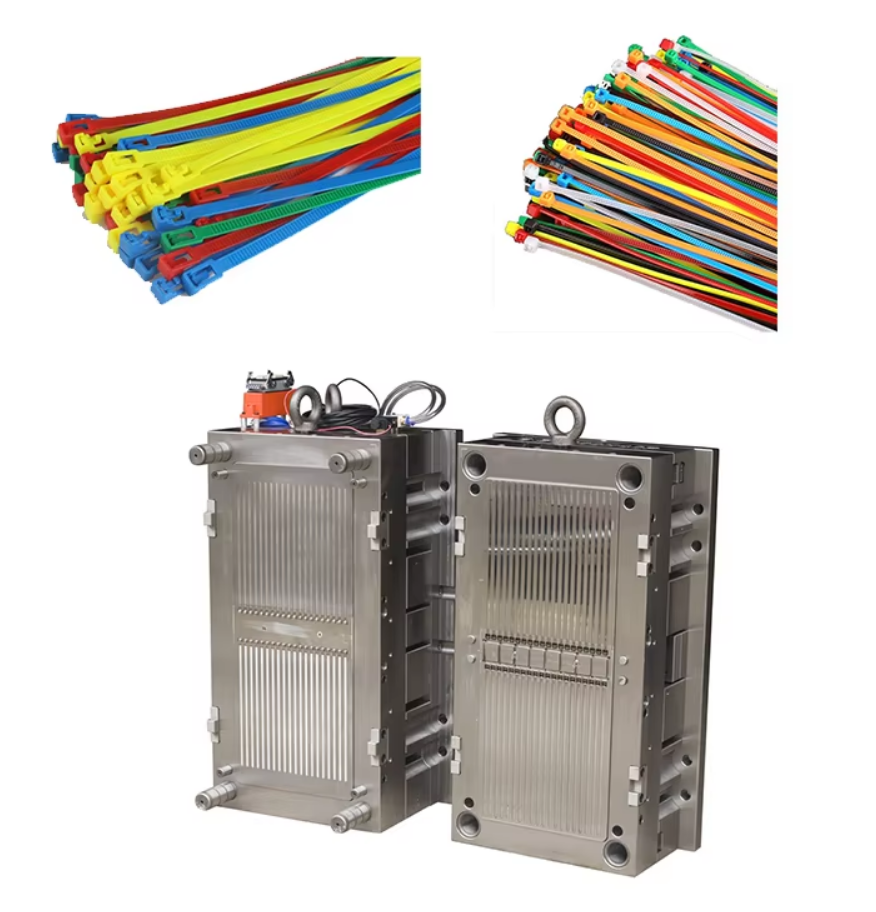
The performance of any injection molding system depends heavily on the design of the Injection Mold. Even minor design decisions can significantly influence part quality, production efficiency, and defect rates.
One of the most critical parameters is wall thickness. Uniform wall thickness helps maintain consistent cooling rates, reducing internal stress and minimizing warping. Recommended wall thickness for many thermoplastic materials typically ranges between 1.2 mm and 3.5 mm depending on structural requirements.
Another important factor is the gate system design. Gates control how molten material enters the cavity. Poor gate placement can lead to flow marks, weld lines, or incomplete filling. Engineers often simulate flow behavior to optimize gate type and position before manufacturing the mold.
Cooling system design is equally important. Cooling channels inside an Injection Mold regulate temperature distribution, and improper cooling can increase cycle time or create uneven shrinkage. Efficient cooling design can reduce cycle time significantly, sometimes by 20–40% depending on part geometry.
Draft angles are also essential. A minimum draft angle of 1° to 3° is typically required to ensure easy part ejection. Without proper draft, parts may stick inside the mold, causing damage or production delays.
Material selection for the mold itself also affects longevity and precision. Hardened tool steel is commonly used for high-volume production, while aluminum molds may be used for prototyping or low-volume production due to faster machining times.
Common defects such as sink marks, flash, and short shots are often directly linked to mold design issues rather than material or machine settings alone. Therefore, optimizing the Injection Mold during the design phase is critical to achieving stable production performance.
Ultimately, good mold design balances manufacturability, cost efficiency, and product performance, ensuring long-term stability in industrial production environments.

 English
 Arabic
 French
 Spanish
 Portuguese
 Deutsch
 Turkish
 Italiano
 Russian
 Romaian
 Portuguese (Brazil)
 Greek
Greek
