


Why Recyclable Gift Box Solutions Are Growing Fast
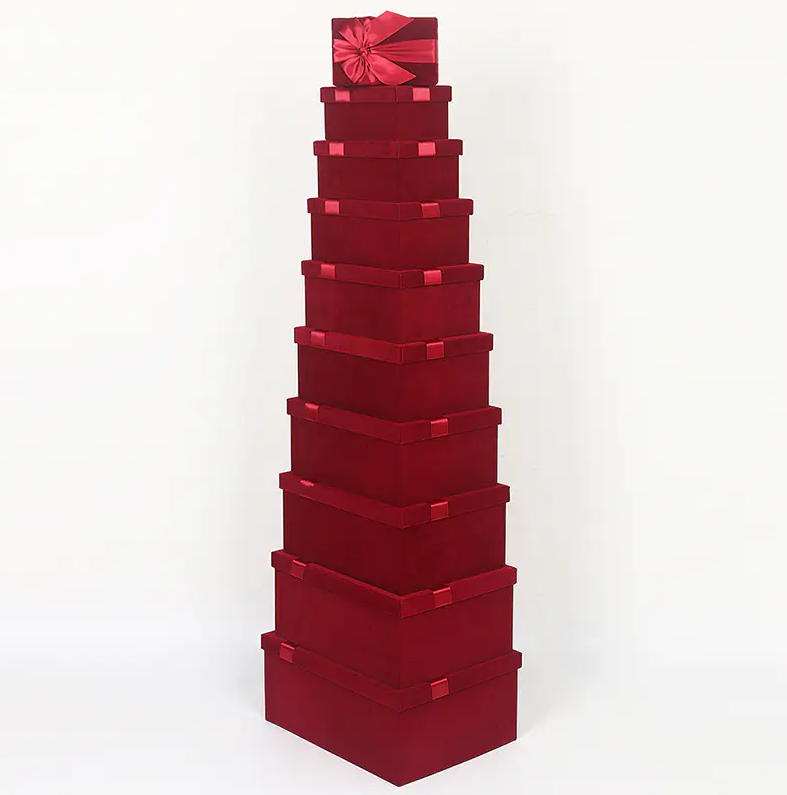
Environmental concerns are changing the way packaging manufacturers approach production. The modern Gift Box is no longer designed only for visual appeal. Today’s packaging projects often combine recyclable materials, reusable structures, and lower-waste production methods while still maintaining strong presentation quality. Industry reports and packaging discussions show that sustainable rigid packaging has moved from a niche concept into a standard market expectation.
One of the biggest changes in packaging manufacturing involves material selection. Many premium packaging projects now use FSC-certified paper, recycled greyboard, and kraft-based wrapping materials instead of plastic-heavy solutions. Recyclable rigid board structures can maintain high compression strength while reducing environmental impact.
Kraft paper has become particularly popular because of its natural appearance and compatibility with water-based inks. Its textured surface also creates a more organic visual style compared with high-gloss coated paper. This type of finish is often used for cosmetics, handmade products, candles, and boutique retail packaging.
Foldable rigid box structures are another important development. Traditional rigid packaging often requires significant storage space during transportation because boxes ship fully assembled. Collapsible magnetic structures reduce shipping volume and improve warehouse efficiency while maintaining a premium appearance after assembly.
Many packaging engineers are also focusing on reducing unnecessary material usage. Instead of oversized structures, modern packaging increasingly follows product-specific dimensions. Precision-cut inserts help stabilize products while minimizing empty internal space. This improves shipping efficiency and lowers material consumption.
Reusable packaging adds another sustainability advantage. Customers frequently reuse rigid boxes for storing accessories, documents, cosmetics, jewelry, and household items. Packaging discussions online suggest that consumers appreciate boxes that remain functional after the initial purchase rather than immediately becoming waste.
Technical production methods are also evolving toward cleaner manufacturing standards. Water-based coatings, soy-based inks, and low-VOC adhesives are increasingly adopted by packaging suppliers aiming to meet environmental compliance standards in global export markets. Some manufacturers additionally replace plastic trays with molded paper pulp inserts or recyclable cardboard partitions.
Despite the focus on sustainability, buyers still expect attractive presentation quality. Because of this, manufacturers continue developing eco-friendly finishing techniques that maintain premium visual effects. Embossing, debossing, soft-touch coatings, and foil details are frequently combined with recyclable materials to achieve both environmental and marketing goals.
The shift toward sustainable packaging is influencing nearly every product category including electronics, apparel, cosmetics, food packaging, and corporate gifting. As consumer awareness continues growing, environmentally conscious packaging design is likely to remain an important factor in purchasing decisions and long-term brand perception.

 English
 Arabic
 French
 Portuguese
 Deutsch
 Turkish
 Dutch
Dutch
 Italiano
 Russian
 Romaian
 Portuguese (Brazil)
 Greek
Greek
