


Understanding Health Considerations in Aluminum Cookware
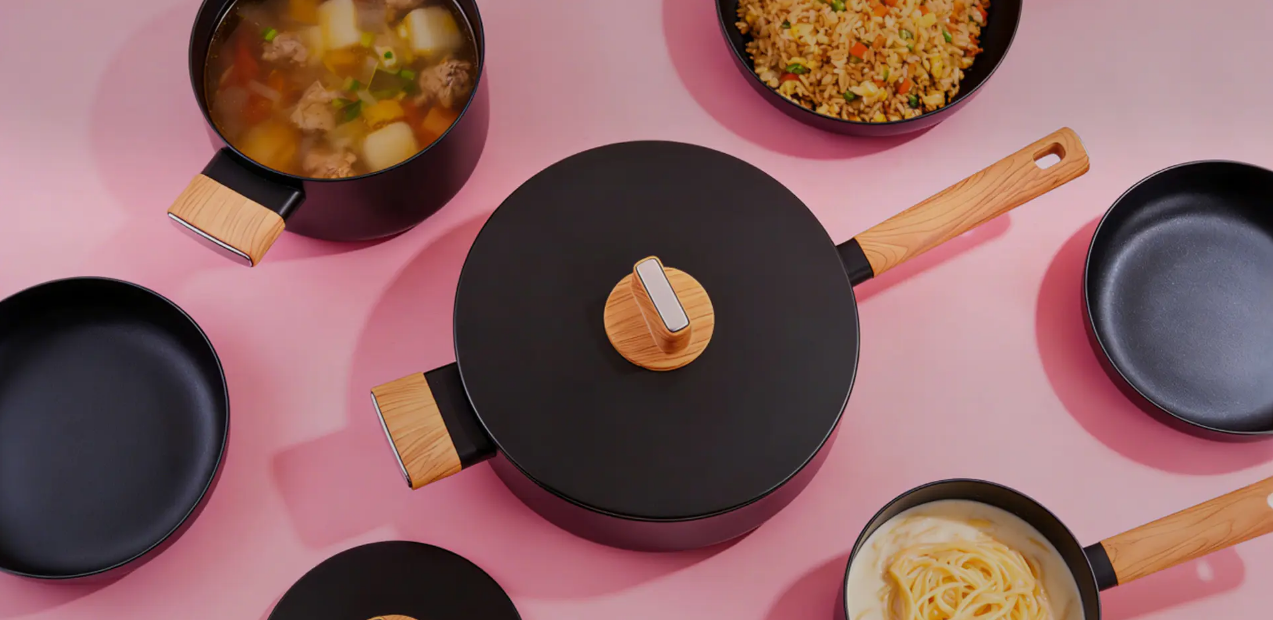
Aluminum cookware is commonly used worldwide, but safety remains one of the most discussed topics among consumers and manufacturers. Modern production standards, however, have significantly improved the safety and reliability of aluminum-based kitchenware.
Food-grade aluminum is carefully controlled to ensure low levels of impurities. In industrial manufacturing, alloy composition is strictly regulated, and harmful elements such as lead (Pb), cadmium (Cd), and mercury (Hg) are kept far below international safety thresholds. Common cookware alloys include 3003 and 5052 aluminum, both known for corrosion resistance and stability under heat.
One of the most important safety concerns is metal reactivity. Bare aluminum can react with acidic foods such as tomatoes or citrus-based sauces. However, this issue is effectively resolved through surface treatments such as anodization or non-stick coating, which create a barrier between food and metal.
Hard-anodized aluminum forms a ceramic-like oxide layer approximately 10–25 microns thick, which significantly reduces ion migration. This layer is stable under normal cooking conditions and prevents direct contact between food and raw metal.
Temperature control is also essential. Aluminum cookware is typically safe under 260°C (500°F) when used with coatings, while bare aluminum is best used under moderate heat to maintain surface stability.
Regulatory compliance is another key factor. A professional Aluminum Cookware Manufacturer must follow FDA or LFGB food-contact standards, ensuring that each product meets strict migration and durability requirements before entering the market.
Proper usage also contributes to safety. Avoiding prolonged storage of acidic food in uncoated cookware and using gentle cleaning methods can significantly extend product lifespan while maintaining hygiene.
Overall, aluminum cookware is considered safe for everyday cooking when produced and used correctly, especially when modern surface engineering techniques are applied.

 English
 French
 Spanish
 Portuguese
 Deutsch
 Turkish
 Dutch
Dutch
 Italiano
 Russian
 Romaian
 Portuguese (Brazil)
 Greek
Greek
