


How LED Lighting Enhances Living Spaces
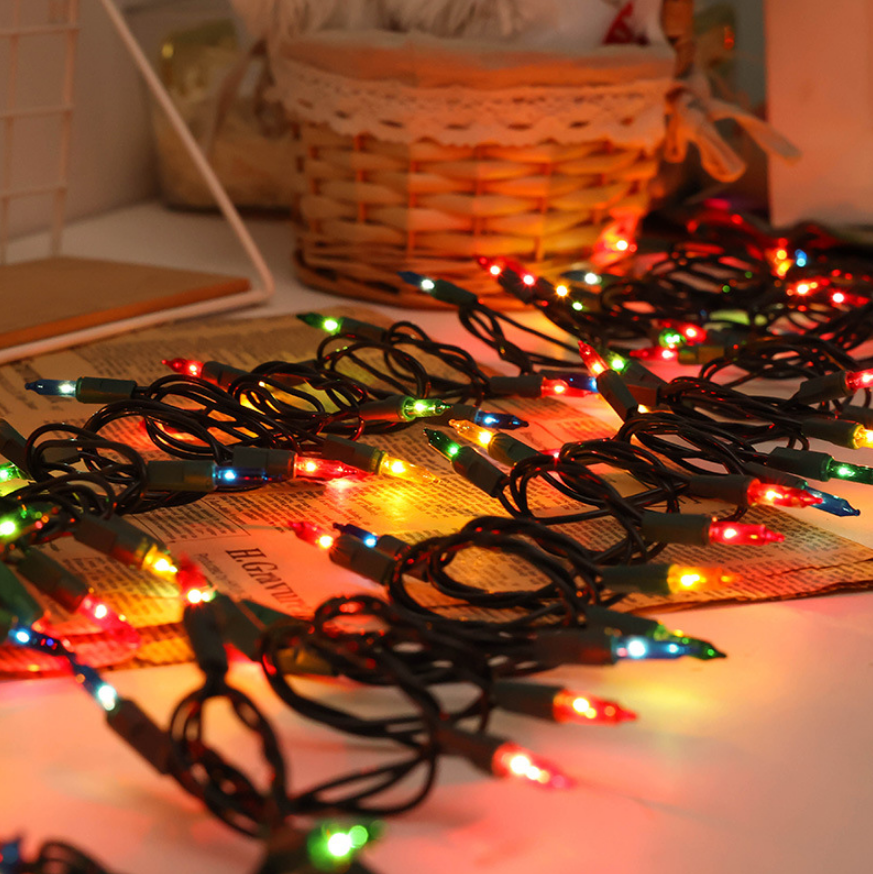
Home lighting design has evolved significantly with the introduction of LED technology. Unlike incandescent bulbs that generate excessive heat and consume more energy, LED lighting provides efficient illumination with minimal power usage. Most residential LED fixtures operate in the range of 8W to 20W, producing brightness levels between 800 and 2000 lumens.
Color temperature plays an important role in interior ambiance. Warm white light (2700K–3000K) creates a cozy atmosphere for bedrooms and living rooms, while neutral or cool white (4000K–6500K) is suitable for kitchens, offices, and workspaces. Adjustable LED systems allow users to switch between these modes depending on activity and mood.
One popular trend is modular lighting systems. A Led Light Set can include multiple LED strips or pods designed for ceiling edges, furniture backlighting, or decorative wall accents. These systems often use 12V or 24V low-voltage power supplies, making them safe for residential installation.
Smart lighting integration is another major development. Many LED systems can be controlled via mobile apps or voice assistants, allowing users to adjust brightness, timing schedules, and even color transitions. This enhances convenience and energy efficiency.
LED lifespan is another advantage, with typical usage exceeding 40,000 hours. This significantly reduces replacement frequency compared to traditional lighting sources.
In modern interior design, LED lighting is no longer just functional—it is a core aesthetic element that shapes mood, depth, and spatial perception.

 English
 Arabic
 French
 Spanish
 Portuguese
 Deutsch
 Turkish
 Italiano
 Russian
 Romaian
 Portuguese (Brazil)
 Greek
Greek
