


Cooked Chicken Breast Nutrition: Calories, Protein, Macros & Health Benefits
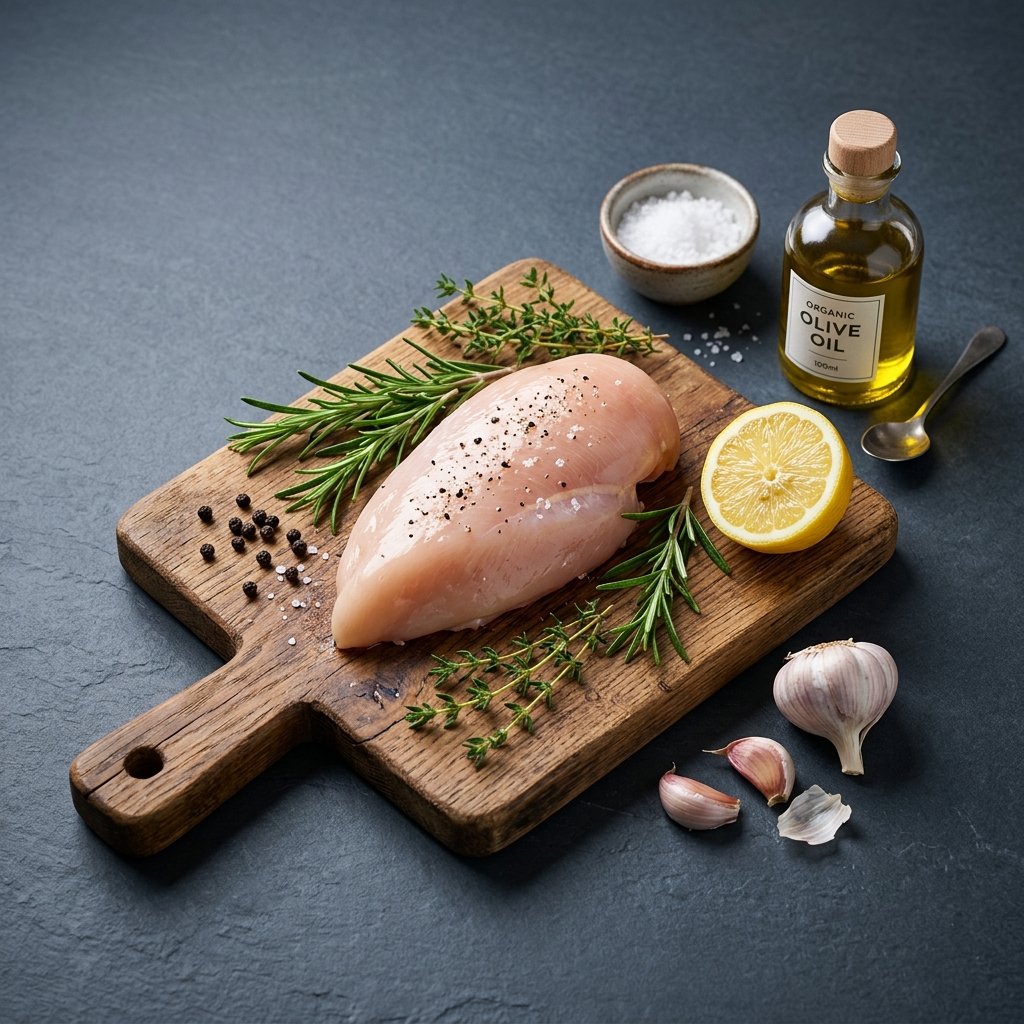
Cooked chicken breast is one of the simplest foods to include in a balanced diet. Whether you are meal prepping for the week, trying to lose weight, building muscle, or simply looking for a convenient source of protein, chicken breast is easy to prepare and combine with different foods.
I have found that one of the biggest sources of confusion is the difference between raw and cooked chicken nutrition. The chicken itself does not suddenly gain calories when it is cooked, but it loses water during cooking, which changes its weight and the amount of nutrition represented by each 100-gram serving.
Visit: https://chickenbreastnutrition.com/
Cooked Chicken Breast Nutrition Facts
Plain, skinless cooked chicken breast is naturally high in protein and contains very little carbohydrate. A typical 100-gram serving of cooked chicken breast provides roughly 160–170 calories and around 30–31 grams of protein, although exact values can vary based on the cut, cooking method, and moisture content.
It also provides nutrients such as niacin, vitamin B6, phosphorus, and selenium. Because it is relatively lean, chicken breast is particularly popular among people following high-protein diets.
When tracking cooked chicken breast nutrition, always check whether your food-tracking app lists the food as raw or cooked. Using the wrong entry can create a noticeable difference in your calorie calculations.
Chicken Breast Calories and Protein
The combination of calories and protein is one of the main reasons chicken breast is so popular. You can get a substantial amount of protein without consuming a large number of calories from plain, skinless chicken.
Protein helps maintain and repair muscle tissue and can contribute to feelings of fullness after meals. This makes chicken breast a useful ingredient for people managing their calorie intake.
However, the total calories depend on how you prepare it. Plain baked or grilled chicken has a very different calorie profile from chicken cooked with large amounts of oil, butter, creamy sauces, or breading.
Does Cooking Change Chicken Nutrition?
Cooking causes chicken to lose water. As a result, cooked chicken weighs less than the same piece of raw chicken.
For example, if you start with a larger raw chicken breast and cook it until done, some of its water evaporates. The remaining cooked meat therefore contains more calories and protein per 100 grams simply because there is less water.
This is why I recommend choosing either raw or cooked measurements and using them consistently when counting calories and macros.
Cooked Chicken Breast for Weight Loss
Chicken breast is often associated with weight loss because it provides plenty of protein for relatively few calories. A high-protein diet can help support muscle retention while you are reducing your calorie intake.
But chicken breast itself is not a weight-loss food in isolation. Your overall calorie balance matters most. A large chicken portion covered in high-calorie sauce can contain considerably more calories than a moderate portion of plain chicken.
For a balanced weight-loss meal, combine chicken with vegetables, beans, whole grains, or another nutrient-rich side.
Cooked Chicken Breast for Muscle Building
For people who strength train, chicken breast can be an easy way to increase daily protein intake. Protein provides amino acids that the body uses to repair and maintain muscle tissue.
Still, muscle growth requires more than protein alone. Adequate calories, carbohydrates, healthy fats, sleep, and progressive resistance training all play important roles.
Meal prepping cooked chicken breast can make it easier to maintain a consistent protein intake throughout a busy week.
Healthier Ways to Cook Chicken Breast
Grilling, baking, roasting, poaching, and air-frying can all be useful preparation methods. The key is to pay attention to what you add during cooking.
A small amount of oil can be part of a healthy diet, but remember that cooking oil contributes additional calories. Marinades, sauces, cheese, and breading should also be included when calculating the complete meal.
Food safety is equally important. Chicken should be cooked thoroughly to a safe internal temperature and stored properly after cooking.
Final Thoughts
Cooked chicken breast nutrition makes this food a practical choice for high-protein meals, weight management, meal preparation, and fitness-focused diets. Its combination of protein and relatively low carbohydrate content makes it easy to include in many eating patterns.
For accurate calorie tracking, the most important habit is consistency. Weigh chicken either before or after cooking, select the matching nutrition entry, and remember to include oils, sauces, and other ingredients. That simple approach can make your nutrition tracking much more reliable.
Cooked chicken breast is one of the simplest foods to include in a balanced diet. Whether you are meal prepping for the week, trying to lose weight, building muscle, or simply looking for a convenient source of protein, chicken breast is easy to prepare and combine with different foods.
I have found that one of the biggest sources of confusion is the difference between raw and cooked chicken nutrition. The chicken itself does not suddenly gain calories when it is cooked, but it loses water during cooking, which changes its weight and the amount of nutrition represented by each 100-gram serving.
Visit: https://chickenbreastnutrition.com/
Cooked Chicken Breast Nutrition Facts
Plain, skinless cooked chicken breast is naturally high in protein and contains very little carbohydrate. A typical 100-gram serving of cooked chicken breast provides roughly 160–170 calories and around 30–31 grams of protein, although exact values can vary based on the cut, cooking method, and moisture content.
It also provides nutrients such as niacin, vitamin B6, phosphorus, and selenium. Because it is relatively lean, chicken breast is particularly popular among people following high-protein diets.
When tracking cooked chicken breast nutrition, always check whether your food-tracking app lists the food as raw or cooked. Using the wrong entry can create a noticeable difference in your calorie calculations.
Chicken Breast Calories and Protein
The combination of calories and protein is one of the main reasons chicken breast is so popular. You can get a substantial amount of protein without consuming a large number of calories from plain, skinless chicken.
Protein helps maintain and repair muscle tissue and can contribute to feelings of fullness after meals. This makes chicken breast a useful ingredient for people managing their calorie intake.
However, the total calories depend on how you prepare it. Plain baked or grilled chicken has a very different calorie profile from chicken cooked with large amounts of oil, butter, creamy sauces, or breading.
Does Cooking Change Chicken Nutrition?
Cooking causes chicken to lose water. As a result, cooked chicken weighs less than the same piece of raw chicken.
For example, if you start with a larger raw chicken breast and cook it until done, some of its water evaporates. The remaining cooked meat therefore contains more calories and protein per 100 grams simply because there is less water.
This is why I recommend choosing either raw or cooked measurements and using them consistently when counting calories and macros.
Cooked Chicken Breast for Weight Loss
Chicken breast is often associated with weight loss because it provides plenty of protein for relatively few calories. A high-protein diet can help support muscle retention while you are reducing your calorie intake.
But chicken breast itself is not a weight-loss food in isolation. Your overall calorie balance matters most. A large chicken portion covered in high-calorie sauce can contain considerably more calories than a moderate portion of plain chicken.
For a balanced weight-loss meal, combine chicken with vegetables, beans, whole grains, or another nutrient-rich side.
Cooked Chicken Breast for Muscle Building
For people who strength train, chicken breast can be an easy way to increase daily protein intake. Protein provides amino acids that the body uses to repair and maintain muscle tissue.
Still, muscle growth requires more than protein alone. Adequate calories, carbohydrates, healthy fats, sleep, and progressive resistance training all play important roles.
Meal prepping cooked chicken breast can make it easier to maintain a consistent protein intake throughout a busy week.
Healthier Ways to Cook Chicken Breast
Grilling, baking, roasting, poaching, and air-frying can all be useful preparation methods. The key is to pay attention to what you add during cooking.
A small amount of oil can be part of a healthy diet, but remember that cooking oil contributes additional calories. Marinades, sauces, cheese, and breading should also be included when calculating the complete meal.
Food safety is equally important. Chicken should be cooked thoroughly to a safe internal temperature and stored properly after cooking.
Final Thoughts
Cooked chicken breast nutrition makes this food a practical choice for high-protein meals, weight management, meal preparation, and fitness-focused diets. Its combination of protein and relatively low carbohydrate content makes it easy to include in many eating patterns.
For accurate calorie tracking, the most important habit is consistency. Weigh chicken either before or after cooking, select the matching nutrition entry, and remember to include oils, sauces, and other ingredients. That simple approach can make your nutrition tracking much more reliable.
Cooked Chicken Breast Nutrition: Calories, Protein, Macros & Health Benefits
Cooked chicken breast is one of the simplest foods to include in a balanced diet. Whether you are meal prepping for the week, trying to lose weight, building muscle, or simply looking for a convenient source of protein, chicken breast is easy to prepare and combine with different foods.
I have found that one of the biggest sources of confusion is the difference between raw and cooked chicken nutrition. The chicken itself does not suddenly gain calories when it is cooked, but it loses water during cooking, which changes its weight and the amount of nutrition represented by each 100-gram serving.
Visit: https://chickenbreastnutrition.com/
Cooked Chicken Breast Nutrition Facts
Plain, skinless cooked chicken breast is naturally high in protein and contains very little carbohydrate. A typical 100-gram serving of cooked chicken breast provides roughly 160–170 calories and around 30–31 grams of protein, although exact values can vary based on the cut, cooking method, and moisture content.
It also provides nutrients such as niacin, vitamin B6, phosphorus, and selenium. Because it is relatively lean, chicken breast is particularly popular among people following high-protein diets.
When tracking cooked chicken breast nutrition, always check whether your food-tracking app lists the food as raw or cooked. Using the wrong entry can create a noticeable difference in your calorie calculations.
Chicken Breast Calories and Protein
The combination of calories and protein is one of the main reasons chicken breast is so popular. You can get a substantial amount of protein without consuming a large number of calories from plain, skinless chicken.
Protein helps maintain and repair muscle tissue and can contribute to feelings of fullness after meals. This makes chicken breast a useful ingredient for people managing their calorie intake.
However, the total calories depend on how you prepare it. Plain baked or grilled chicken has a very different calorie profile from chicken cooked with large amounts of oil, butter, creamy sauces, or breading.
Does Cooking Change Chicken Nutrition?
Cooking causes chicken to lose water. As a result, cooked chicken weighs less than the same piece of raw chicken.
For example, if you start with a larger raw chicken breast and cook it until done, some of its water evaporates. The remaining cooked meat therefore contains more calories and protein per 100 grams simply because there is less water.
This is why I recommend choosing either raw or cooked measurements and using them consistently when counting calories and macros.
Cooked Chicken Breast for Weight Loss
Chicken breast is often associated with weight loss because it provides plenty of protein for relatively few calories. A high-protein diet can help support muscle retention while you are reducing your calorie intake.
But chicken breast itself is not a weight-loss food in isolation. Your overall calorie balance matters most. A large chicken portion covered in high-calorie sauce can contain considerably more calories than a moderate portion of plain chicken.
For a balanced weight-loss meal, combine chicken with vegetables, beans, whole grains, or another nutrient-rich side.
Cooked Chicken Breast for Muscle Building
For people who strength train, chicken breast can be an easy way to increase daily protein intake. Protein provides amino acids that the body uses to repair and maintain muscle tissue.
Still, muscle growth requires more than protein alone. Adequate calories, carbohydrates, healthy fats, sleep, and progressive resistance training all play important roles.
Meal prepping cooked chicken breast can make it easier to maintain a consistent protein intake throughout a busy week.
Healthier Ways to Cook Chicken Breast
Grilling, baking, roasting, poaching, and air-frying can all be useful preparation methods. The key is to pay attention to what you add during cooking.
A small amount of oil can be part of a healthy diet, but remember that cooking oil contributes additional calories. Marinades, sauces, cheese, and breading should also be included when calculating the complete meal.
Food safety is equally important. Chicken should be cooked thoroughly to a safe internal temperature and stored properly after cooking.
Final Thoughts
Cooked chicken breast nutrition makes this food a practical choice for high-protein meals, weight management, meal preparation, and fitness-focused diets. Its combination of protein and relatively low carbohydrate content makes it easy to include in many eating patterns.
For accurate calorie tracking, the most important habit is consistency. Weigh chicken either before or after cooking, select the matching nutrition entry, and remember to include oils, sauces, and other ingredients. That simple approach can make your nutrition tracking much more reliable.


 English
 Arabic
 French
 Spanish
 Portuguese
 Deutsch
 Turkish
 Italiano
 Russian
 Romaian
 Portuguese (Brazil)
 Greek
Greek
