


NANTE Portable Distribution Box Event and Construction Essentials
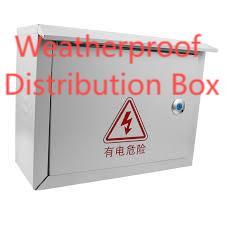
In fast-moving projects, crews rely on compact, dependable hardware to bring power to work areas, so technicians commonly place a Portable Distribution Box within the central cord runs to simplify protection and distribution, and in many layouts teams install a second Portable Distribution Box near remote work zones to split loads and improve redundancy mid-operation. These portable units shorten setup time, reduce cable clutter, and make safety features consistently accessible for teams that must reconfigure power daily. Below we explore selection criteria, ergonomic and mechanical design, safety systems, modularity and customization, and maintenance planning to help buyers choose units that remain robust under tough field conditions.
Matching capacity to mission needs
Selecting a distribution unit begins with load analysis: tally continuous and peak currents, identify motor-start or non-linear loads, and allow headroom for temporary surges. Consider whether individual circuits need dedicated overcurrent protection, and whether sockets must accept different plug types. For mixed tool fleets, panels with a combination of standard outlets, twist-locks, and isolated circuits prevent nuisance trips and simplify crew operations. Also plan for derating when units operate in hot environments or at altitude, and choose breakers with appropriate thermal characteristics for the expected ambient conditions.
Ergonomics, transport, and ruggedization
A portable device is only useful if crews can move and handle it safely. Look for compact footprints, recessed handles, and balanced center-of-gravity designs that make one-person handling feasible. Reinforced corners, rubber bumpers, and skid-resistant feet reduce damage during drops or sliding maneuvers. If units must be hoisted, certified lifting points and clear safe-lift markings are essential. Airline and freight constraints sometimes push teams to choose stackable enclosures with locking provisions to secure multiple boxes for transport.
Protection, grounding, and user safety
The chassis should support reliable grounding and include clearly marked bonding points for earthing. RCDs (residual-current devices), surge suppression, and labeled circuit identification minimize shock and fire risks. Integrate lockable covers for unused sockets to prevent ingress of dust or accidental contact, and provide visible test and inspection labels to help verify protection devices during pre-use checks. For rental fleets, color-coded connectors and pictorial wiring diagrams reduce confusion and improve safe plug-and-play behavior among temporary crews.
Nante customization and modular approaches
Manufacturers that support modular internals let field technicians swap modules or change connector types without replacing the entire box. Look for standardized mechanical modules with secure retention and clear electrical ratings so spares can be stocked efficiently. Pre-wired module kits shorten field repair times, while configurable panels that accept different breaker or socket combinations simplify upgrades. When specifying modular options, request component interchangeability lists and confirm that replacement modules are compatible with existing panels.
Maintenance regimes and lifecycle planning
A predictable maintenance schedule lowers lifecycle cost. Include periodic torque checks on accessible terminals, visual inspections of seals and sockets, and routine functional testing of protective devices. Replace gaskets and weather seals on exposed units at recommended intervals, and record every repair with serial-numbered logs so persistent failure patterns can be identified. For organizations operating multiple units across sites, a centralized spare-part system and a standardized labeling convention dramatically reduce downtime during replacements.
Operational case studies make the benefits tangible: event crews who standardize on lockable, color-coded distribution units report faster turnovers and fewer misplugs; construction managers who select models with reinforced mounting features see fewer transport damages; emergency responders who carry lightweight, modular boxes achieve faster scene power-up while reducing training overhead. Across all sectors, the best outcomes come when procurement, operations, and maintenance teams collaborate early to match technical requirements with logistics realities.
In summary, choosing the right portable distribution solution requires a systems-level view: analyze loads carefully, insist on mechanical features that suit your transport profile, demand clear protection and earthing arrangements, and prefer modular equipment that simplifies repairs and upgrades. These practices reduce risk, save time, and extend equipment life in settings where reliability matters most. For further product information and official resources from a trusted supplier, visit https://www.nante.com

 English
 Arabic
 French
 Spanish
 Portuguese
 Turkish
 Dutch
Dutch
 Italiano
 Russian
 Romaian
 Portuguese (Brazil)
 Greek
Greek
