


Exploring Surgical Treatment Options for Advanced Lipedema
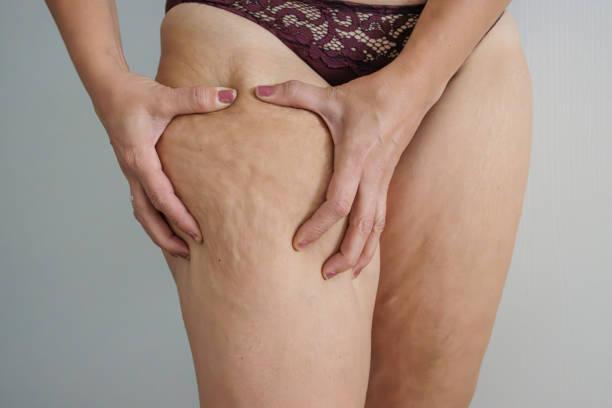
Advanced lipedema can cause significant changes in fatty tissue distribution, limb shape, and physical comfort. As the condition progresses in some individuals, enlarged areas of tissue may interfere with walking, mobility, clothing choices, and everyday activities. Although conservative approaches can help manage symptoms, selected patients may consider surgical treatment when discomfort and functional limitations remain significant. Understanding the available procedures, potential benefits, and limitations is an important part of making informed decisions about lipedema jeddah.
Understanding Advanced Lipedema
Lipedema is a chronic disorder involving disproportionate accumulation of fatty tissue, most commonly affecting the hips, thighs, calves, and sometimes the arms. Advanced presentations may involve larger tissue deposits, pronounced skin folds, and changes in limb contours.
Some individuals experience increasing tenderness, heaviness, and difficulty with physical movement. Additional lymphatic dysfunction may also develop in certain cases, leading to a condition known as lipolymphedema.
Clinical staging commonly describes four stages based on changes in skin surface and tissue structure. However, visible stage does not always correspond to pain severity or disability. A person with advanced-looking tissue changes may have different symptoms from someone with less visible enlargement.
When Is Surgical Treatment Considered for Lipedema?
Surgery is not automatically necessary for everyone with lipedema. Many individuals manage symptoms through conservative approaches such as compression garments, physical activity, and specialized physical therapy.
Surgical treatment may be discussed when symptoms remain substantial despite appropriate conservative management. Factors that may influence this decision include:
-
Persistent pain or tenderness that affects everyday comfort.
-
Significant limb enlargement that restricts movement.
-
Difficulty walking or performing routine activities.
-
Large tissue deposits or folds that interfere with mobility.
-
Recurrent functional problems associated with advanced tissue changes.
A detailed medical evaluation is necessary before considering an operation. The specialist should assess overall health, circulation, lymphatic function, previous treatments, and realistic expectations.
Lipedema-Specific Liposuction
Liposuction is the most commonly discussed surgical approach for reducing lipedema-related fatty tissue. Unlike conventional cosmetic liposuction, lipedema-specific techniques aim to remove affected tissue while taking care to minimize damage to surrounding structures, particularly lymphatic vessels.
The procedure may be considered for selected individuals with persistent symptoms or functional limitations.
How the Procedure Works
During lipedema-specific liposuction, a surgeon uses specialized instruments and techniques to remove targeted fatty tissue through small incisions. Depending on the individual's condition, treatment may involve the thighs, calves, hips, or arms.
The surgical approach is planned according to tissue distribution, symptoms, and overall health. Some patients require more than one procedure because treating extensive areas in a single operation may not be appropriate.
Potential Benefits
For appropriately selected patients, lipedema-specific liposuction may help reduce the volume of affected tissue and improve limb contours. Some individuals also report improvements in pain, heaviness, mobility, and daily functioning.
However, outcomes vary, and surgery does not guarantee complete symptom relief. Lipedema may continue to require long-term management even after tissue reduction.
Surgical Techniques Used for Lipedema
Different liposuction techniques may be considered depending on the surgeon's training, available equipment, and the patient's needs.
Tumescent Liposuction
Tumescent liposuction involves injecting a solution into the treatment area before fat removal. The solution commonly contains saline, a local anesthetic, and a medication that helps reduce bleeding.
This technique is used in some lipedema-specific procedures because it allows controlled tissue removal. The exact approach depends on the surgeon's assessment and treatment plan.
Water-Assisted Liposuction
Water-assisted liposuction uses a controlled stream of fluid to help separate fatty tissue during removal. Some surgeons use this method when treating lipedema because it may allow targeted fat removal while limiting unnecessary tissue trauma.
Its suitability depends on the individual case, and no technique can completely eliminate surgical risks or guarantee a particular result.
Power-Assisted Liposuction
Power-assisted liposuction uses a specialized cannula with mechanical movement to assist tissue removal. It may be considered for certain areas or tissue characteristics.
The surgeon must determine whether this approach is appropriate based on the distribution of affected tissue and the overall surgical plan.
What Is the Recovery Process After Lipedema Surgery?
Recovery varies depending on the amount of tissue removed, the number of areas treated, and individual healing responses. Swelling, bruising, tenderness, and temporary changes in sensation may occur after surgery.
Early Recovery
Patients generally need time to rest and gradually resume light movement. Following postoperative instructions is essential for supporting healing and reducing the risk of complications.
The surgeon may recommend compression garments to help manage postoperative swelling. These garments should be worn according to the prescribed schedule rather than used independently.
Returning to Everyday Activities
The return to work, exercise, and other regular activities depends on the extent of surgery and individual recovery. Gentle walking may be encouraged early when medically appropriate, while strenuous exercise should be delayed until the surgical team provides clearance.
Follow-up appointments allow the surgeon to monitor healing, assess swelling, and identify complications if they develop.
Possible Risks and Limitations of Surgical Treatment
Lipedema-specific liposuction is a surgical procedure and carries potential risks. These may include infection, bleeding, fluid accumulation, irregular contours, changes in sensation, delayed healing, and complications related to anesthesia.
There is also a risk of injury to lymphatic structures, particularly if tissue removal is not carefully planned and performed. Patients with existing lymphatic dysfunction may require additional assessment before surgery.
Another important consideration is that surgery does not cure lipedema. Some individuals continue to experience tenderness, swelling, or other symptoms after treatment and may need ongoing compression or supportive care.
Conservative Management Before and After Surgery
Conservative care remains important throughout lipedema management, whether or not surgery is considered. Compression garments, suitable physical activity, and individualized physical therapy may help support mobility and symptom control.
Manual lymphatic drainage may be recommended when additional fluid-related swelling is present. It does not remove lipedema fat, but it may help manage certain symptoms in selected patients.
Balanced nutrition and general wellness measures can also support overall health and recovery. These approaches should complement medical care rather than be presented as cures for the condition.
Choosing the Right Specialist for Advanced Lipedema
Selecting an appropriately qualified surgeon is an important step when considering an operation. Patients should look for a professional with relevant experience in lipedema-specific procedures and an understanding of lymphatic anatomy.
Before proceeding, discuss the expected benefits, possible complications, number of procedures, recovery requirements, and long-term care needs. A careful evaluation helps determine whether surgery is appropriate or whether other management options should be considered first.
For individuals exploring Lipedema in Riyadh, understanding surgical and nonsurgical approaches can help establish realistic expectations and support informed treatment decisions.
Consult a Specialist About Advanced Lipedema Care
Advanced lipedema may require a more comprehensive management approach when fatty tissue changes begin affecting comfort and mobility. Lipedema-specific liposuction can be an option for selected patients, but careful assessment, realistic expectations, and ongoing care remain essential. If you are seeking guidance about Lipedema in Riyadh, consult Royal Clinic Saudia to discuss your concerns and explore suitable evaluation and management options based on your individual health needs.

 English
 Arabic
 French
 Spanish
 Portuguese
 Deutsch
 Dutch
 Italiano
 Russian
 Romaian
 Portuguese (Brazil)
 Greek
