


When Should Your Child First Visit a Pediatric Dentist?
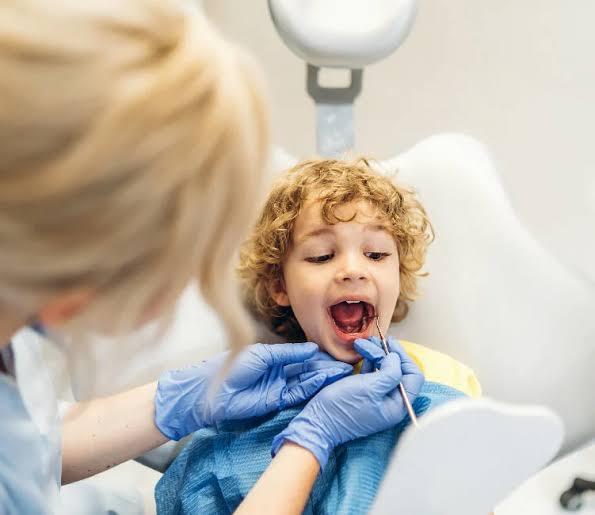
A child’s oral health journey begins much earlier than many parents realize. Even before all the baby teeth appear, proper dental care plays an important role in healthy development, speech, chewing, and confidence. Many parents wonder when they should schedule their child's first dental appointment and whether it is necessary before permanent teeth emerge. Consulting a Pediatric Dentist in Dubai at the right age helps parents understand their child's dental needs, prevent early problems, and establish healthy oral hygiene habits. Ideally, children should visit a dentist by their first birthday or within six months after their first tooth appears.
When Is the Right Time for a Child's First Dental Visit?
The American Academy of Pediatric Dentistry recommends scheduling a child's first dental visit when the first tooth appears, but no later than their first birthday. This early appointment allows the dentist to examine developing teeth, check gum health, and identify potential concerns.
Parents sometimes believe dental visits are unnecessary while children still have baby teeth. However, primary teeth are essential for several reasons. They help children chew food comfortably, support speech development, and maintain the necessary space for permanent teeth.
Why Visit Before the First Birthday?
An early dental appointment provides an opportunity to understand your child's oral development. The dentist can identify early signs of tooth decay, discuss feeding habits, and explain how to clean your baby's teeth correctly.
It also helps children become familiar with the dental environment before they develop any dental problems. This can make future appointments more comfortable and less intimidating.
What Happens During the First Pediatric Dental Appointment?
A child's first dental appointment is generally simple, gentle, and focused on prevention. The dentist examines the mouth and discusses habits that may influence oral health.
Parents can expect several important steps during the consultation.
Examination of Teeth and Gums
The dentist checks the child's existing teeth, gums, jaw development, and overall oral condition. They look for early signs of cavities, unusual tooth development, and other potential concerns.
Guidance on Oral Hygiene
Parents receive practical instructions on cleaning their child's teeth using an age-appropriate toothbrush and a suitable amount of fluoride toothpaste. The dentist may also explain how often brushing should happen and how to introduce healthy oral hygiene routines.
Discussion About Feeding Habits
Feeding practices can significantly influence a child's dental health. Frequent exposure to sugary drinks, sweetened liquids, and prolonged bottle use may increase the risk of early childhood cavities.
The dentist can recommend healthier feeding practices and explain how to reduce unnecessary sugar exposure.
Signs Your Child May Need an Earlier Dental Visit
Although the first appointment should happen by the first birthday, certain symptoms may require an earlier consultation. Parents should pay attention to changes in their child's mouth and behavior.
Some warning signs include:
-
White, brown, or dark spots appearing on baby teeth.
-
Swollen, red, or bleeding gums.
-
Difficulty chewing or biting food.
-
Persistent mouth discomfort or tooth sensitivity.
-
Unusual changes in tooth appearance.
-
Visible damage or cracks in a tooth.
Why Should Parents Never Ignore Baby Tooth Problems?
Baby teeth are temporary, but dental problems affecting them should never be overlooked. Untreated cavities can cause discomfort, infection, and difficulties with eating.
In some cases, premature loss of a baby tooth may affect the space available for permanent teeth. Early professional attention helps prevent complications and supports healthy dental development.
How Often Should Children Visit a Pediatric Dentist?
After the initial appointment, most children benefit from dental checkups every six months. However, the recommended frequency may vary depending on their oral health, cavity risk, and individual dental needs.
Regular appointments allow the dentist to monitor changes as children grow. They also provide opportunities to identify problems before they become more complicated.
The Importance of Preventive Dental Care
Preventive care is one of the most effective ways to maintain healthy teeth throughout childhood. Depending on the child's age and dental condition, the dentist may recommend professional cleaning, fluoride treatments, or dental sealants when appropriate.
These preventive measures help protect teeth from decay and support long-term oral health.
How Can Parents Prepare Their Child for the First Dental Visit?
A positive first experience can make future dental appointments easier. Parents can introduce the idea of visiting a dentist through simple conversations and age-appropriate books.
Avoid using frightening words or describing dental procedures in a negative way. Instead, explain that the dentist will count their teeth and help keep their smile healthy.
Consider these helpful preparation tips:
-
Schedule appointments when your child is usually relaxed and comfortable.
-
Explain the visit using positive and reassuring language.
-
Bring your child's favorite comfort item if needed.
-
Share relevant medical and dental history with the dentist.
-
Stay calm and supportive throughout the appointment.
Building Healthy Dental Habits From an Early Age
A child's first dental visit is only the beginning of lifelong oral care. Parents play an important role in developing routines that protect teeth and gums.
Brush your child's teeth twice daily using an age-appropriate toothbrush and fluoride toothpaste. For children younger than three, use a rice-grain-sized smear of toothpaste. For children aged three to six, use a pea-sized amount with adult supervision.
Encourage children to drink water, enjoy balanced meals, and limit sugary snacks and beverages. As they grow older, gradually teach them to take responsibility for their oral hygiene while continuing to supervise their brushing.
Conclusion
Your child's first dental visit should ideally take place when the first tooth appears or before their first birthday. Early appointments help detect potential dental concerns, educate parents, and establish healthy oral care habits. Regular checkups, proper brushing, and preventive treatments can significantly reduce the risk of childhood dental problems. By making dental care a positive part of your child's routine, you can support healthy tooth development and encourage a confident smile that lasts well into adulthood.

 English
 Arabic
 French
 Spanish
 Portuguese
 Deutsch
 Dutch
 Italiano
 Russian
 Romaian
 Portuguese (Brazil)
 Greek
